 |
| Photo credit: Flickr ancient ungulates |
I will not lie, if WIP-plotting this was really. difficult. So hard that I was actually a midterm break and storing it for several months before I opened it and looked again.
The thing is, as absolutely necessary as pre-layout is for me before I write one word of WIP, this is not exactly the easiest process. With this latest WIP I kind of forgot one of the tracing process I played with it perhaps would have made the experience a little easier, but for my next project, I think I'll combine my two methods .
The methods which I speak are :.
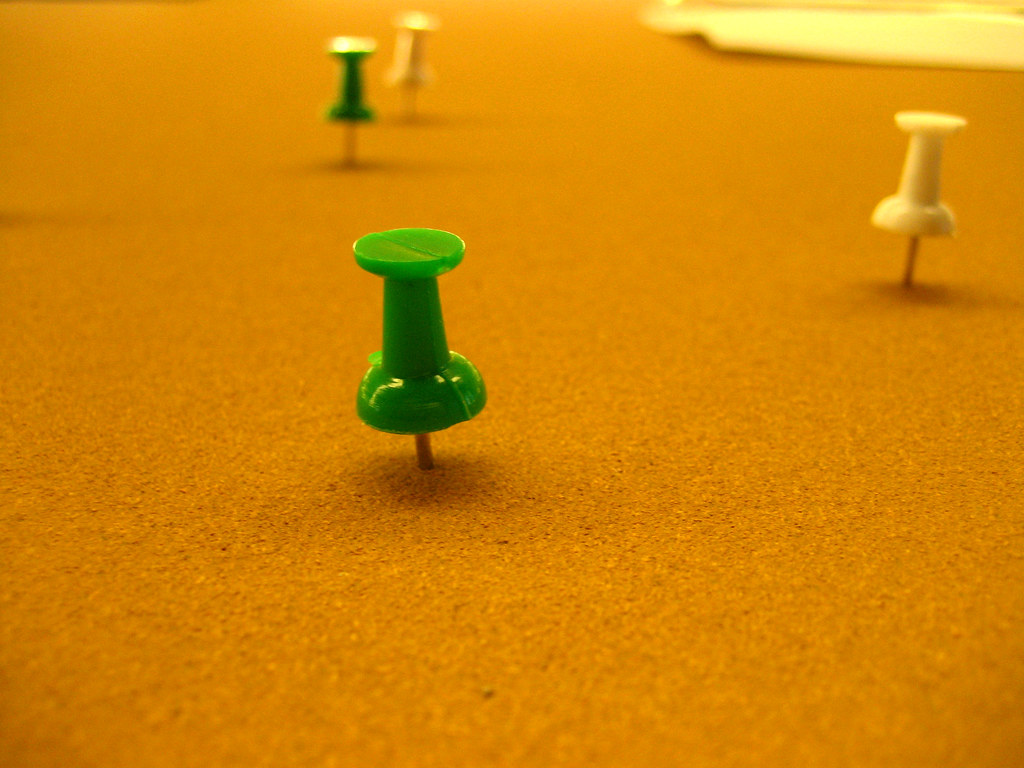
- Scrivener cork board so I have described this before in my method on How I draw a WIP and how to use the message board of directors Cork Scrivener, so I'm not going into great detail here, but it is basically to write brief summaries of each scene in your book provided, each on a separate linker that gets "pinned" to the cork board. Some scenes are more detailed than others, but I write just enough for me to understand the essence of what needs to happen in each scene. This is the only method I have done for the last WIP I schemed, and yes, it worked, because he worked in the past, but I found it more difficult than the previous two projects I traced it which involved a combination of this method and ...
- pre-draft synopsis. So I know on paper it looks like the deliberate torture, but I am pleasantly surprised that writing the synopsis before I wrote the book is a million times easier and more enjoyable than write after. Go figure. (I wrote about this discovery in this post.) But basically, this is exactly what it sounds like-opening a document and writing many pages but you have to go step by step what will happen in your book.
In the past, when I combined the two, it usually involved having both Scrivener and Word open at the same time. (I do not know why my brain insists on writing a resume in Word when Scrivener is fully capable of managing both the outline and synopsis, but regardless, the brains are weird.) I am writing the part of the story first, expansion increasingly as I go along, and gradually transfer what I had the flashcards that I later needed for the first draft. Both times I have done what I managed to fully complete the path projects in a week or less.
Would have been nice if I had recalled that mapped out the last draft, but I digress ...
sometimes playing around new strategies or combination of those you can be very effective, which is why I share with you guys. After all, you never know what methods will work best for you if you do not try new strategies here and there.
Have you tried one of these methods to trace?
Twitter sized bite:
You looking for a new way to draw? @Ava_Jae Sharing a combination method that you might want to try. (Click for tweeter)
